
Reviewed · SAN DIEGO WHALE WATCHING
San Diego: Whale Watching Tour – Flagship Cruises & Events
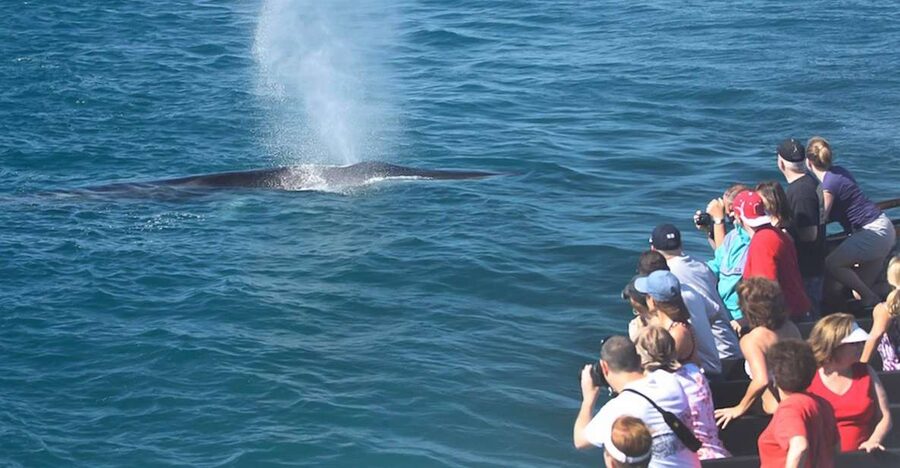
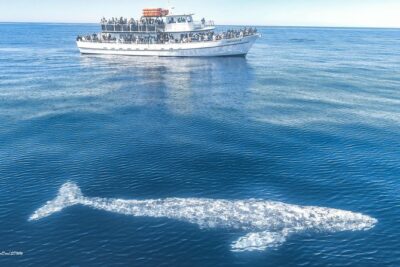
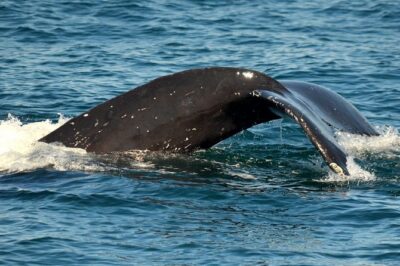
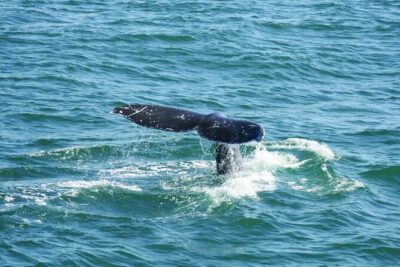
San Diego’s whale-watching trip is really two outings in one: a scenic cruise through the bay, followed by a search across open Pacific water. The main prize is a gray whale, but dolphins, sea lions, seabirds, ships, and coastal views can keep you busy from the first minute.
I like the live nature commentary, especially when guides use whale bones and feeding examples to explain what you are seeing. I also like the generous whale-sighting guarantee: if no whale appears, you receive a free return trip. The drawback is simple: the ocean can turn rough, and the boat may travel several miles offshore, so seasickness is a real concern.
Key points to know before you board
- 210 minutes on the water: Plan on three and a half hours, including time in San Diego Bay and the open ocean.
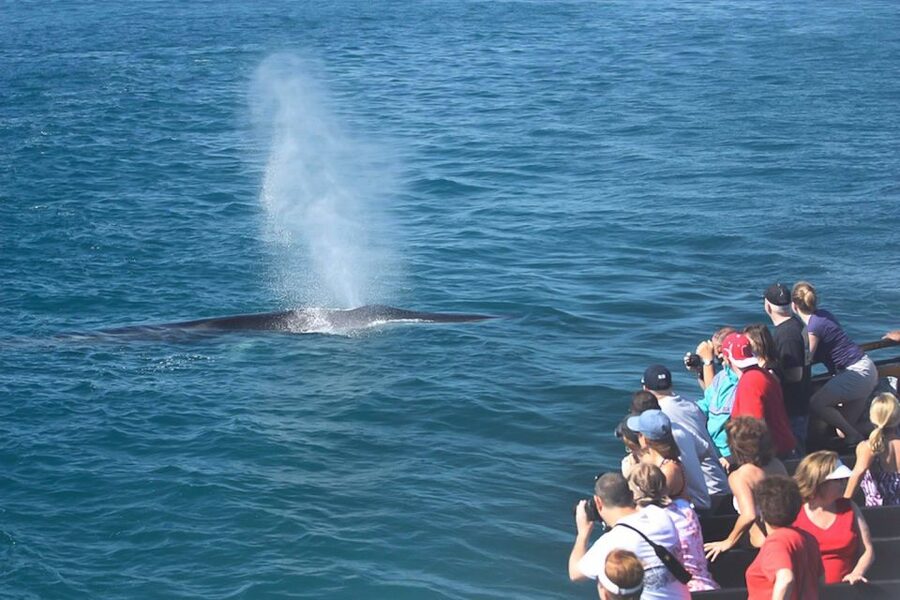
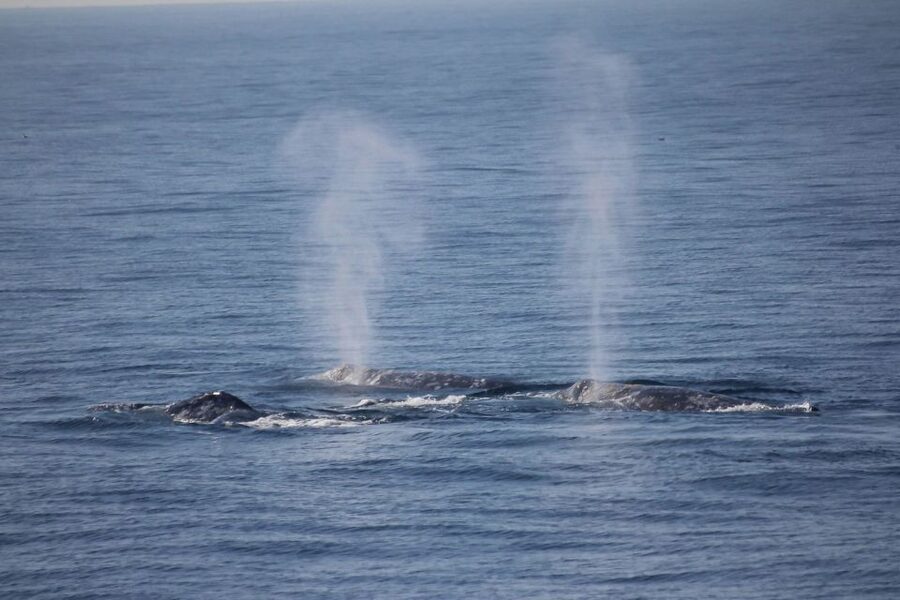
- Gray whales follow the season: Early in the migration, whales may be 3 to 5 miles offshore. Northbound whales can be 9 to 12 miles out.
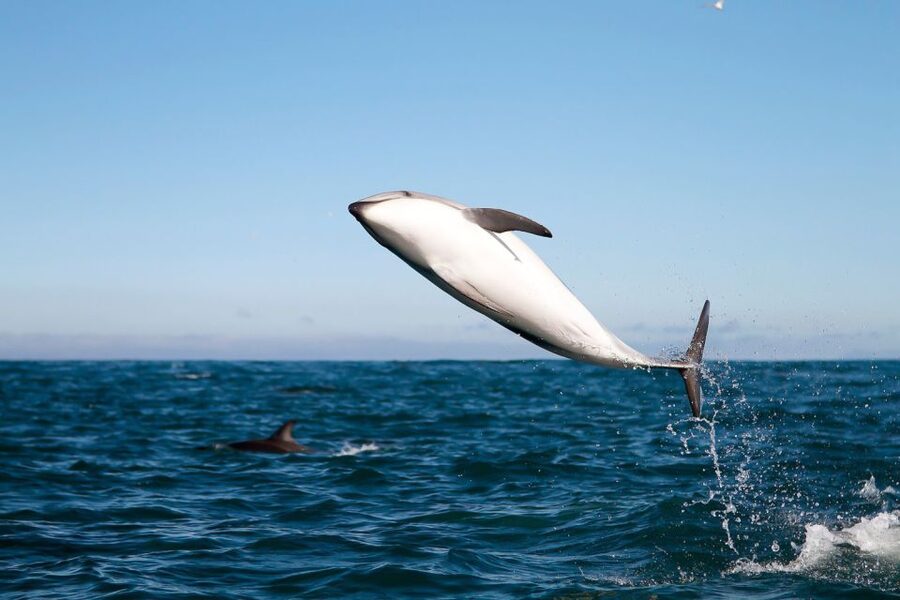
- Dolphins can steal the show: Several trips have produced large pods, including one estimated at more than 500 dolphins.
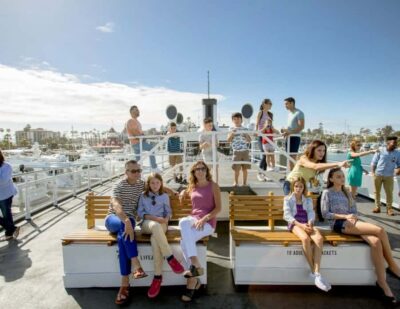
- Two levels, wide views: The indoor main deck offers some shelter, while the upper sundeck gives you open-air views in every direction.
- No whale, no wasted ticket: Flagship provides a free return trip if you do not see a whale.
- Bring serious warm layers: A sunny day in San Diego can feel cold once the boat reaches open water.
From San Diego Bay to the gray whale route
Check in at the Flagship ticket booth before departure. There is no hotel pickup, so you will need to make your own way to the meeting point and arrive ready to board.
The first part of the trip takes place in San Diego Bay. This gives you a pleasant start before the boat reaches more exposed water. You can watch the shoreline, passing boats, and working harbor activity while the crew sets the day’s plan.
Once the yacht heads toward the coast, the scenery changes. The bay feels protected and familiar; the Pacific feels broad and much less predictable. Your guide tracks the whale migration route and adjusts the search area based on current conditions. That means the exact route is not fixed, which is good for wildlife viewing but makes the trip less like a sightseeing circuit.
The maximum distance varies with the season. Early in the gray whale migration, whales often swim closer to shore, around 3 to 5 miles out. On the return journey, northbound whales may be 9 to 12 miles offshore. You should read that as a useful warning: a whale-watching trip here can include a long stretch of open water before the animals appear.
More whale watching trips in San Diego:
- San Diego Whale Watching Cruise
★ 5.0 · 2,317 reviews - San Diego Whale Watching & Dolphin Cruise
★ 4.5 · 1,588 reviews - San Diego Whale Watching Cruise
★ 4.5 · 663 reviews
What you may see beyond whales
Gray whales are the headline act, but you should not judge the outing only by the number of whale sightings. Dolphins are frequent stars of the trip, and they may approach the boat, swim alongside it, or travel in large groups. One particularly large pod was estimated at more than 500 animals, while other trips have included several smaller groups.
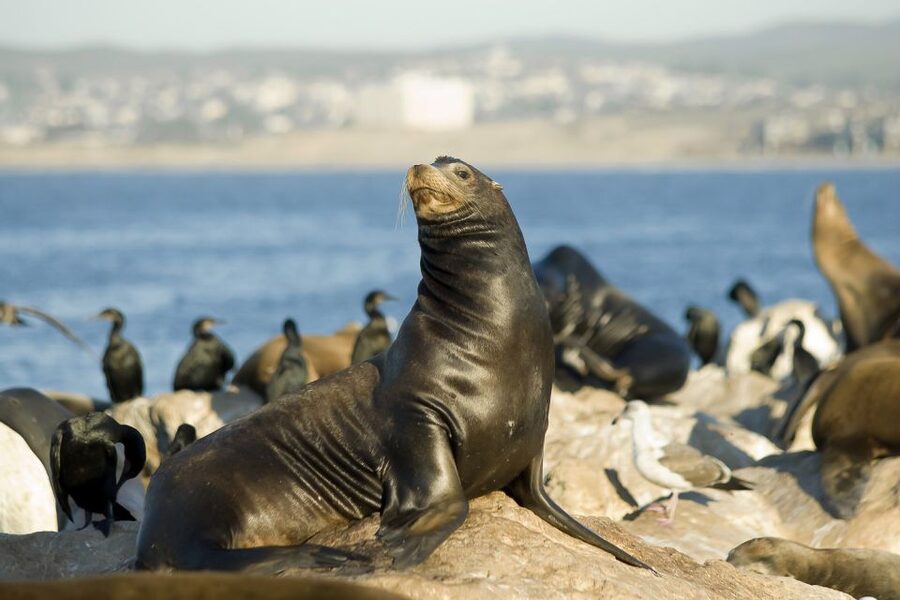
Sea lions are another common possibility. They may appear near the coast or while feeding, and a large hunting group can be more active than a distant whale. Guides may also point out seabirds, including pelicans, along with other marine life.
Humpback whales have also been seen, as have different kinds of dolphins and, on one outing, sea otters. None of these sightings is promised, so keep your eyes moving. A whale may surface only briefly, while a pod of dolphins can stay near the boat for half an hour.
The ordinary details are worth noticing, too. You may pass sailboats, freighters, aircraft, and military activity around the harbor. These sights add local character to the cruise and give you something to watch during the quieter stretches.
A two-story boat built for scanning
The yacht has 360-degree viewing areas on the main level and upper sundeck. I would begin on the main deck, especially if you are unsure how your stomach handles the sea. It offers access to the indoor area and is generally the more practical place to settle during the rougher portions.
The upper sundeck is the better choice when the weather is calm. From there, you get open views and a cleaner sense of the ocean’s scale. It is also a useful place to move if you feel motion sickness below. One family found the ride more comfortable after moving upstairs during a rough patch.
There are multiple restrooms and free guest WiFi. Food and drinks are not included, but onboard snack and beverage options are available for purchase. A bar has also been available on some trips, which is a handy extra on a three-and-a-half-hour cruise, though you should not count on refreshments being part of your ticket.
The vessel is only partly accessible. The indoor main deck is wheelchair accessible, but the restrooms are downstairs and the open exterior area is upstairs. There are no elevators. If you need step-free access throughout the boat, confirm that the arrangement works for you before booking.
The guide’s role makes the difference
A good whale watch needs more than a captain who can find the animals. You also need someone who can help you understand what you are looking at and direct your attention quickly when a whale surfaces.
Flagship’s tours use ocean guides for live commentary in English. The strongest part of the experience is the mix of practical spotting advice and natural-history explanation. Guides have used whale vertebrae and feeding examples to show how these animals live, rather than simply announcing a distant splash.
Captain Brendan, Captain Charles, and Captain Kevin have each been singled out for clear, steady communication on past trips, while Sophie has been praised for her guiding. Names and crew assignments can change, but the useful point is that the captain and nature guide work together. The captain handles the boat and positioning; the guide helps you find the animal and understand its behavior.
This matters because whale watching can involve long quiet intervals. A good explanation turns waiting time into part of the experience. You learn why the boat is changing course, what sort of surface pattern to watch for, and why a whale may remain hard to photograph even when it is close enough to see.
Same city, a completely different sort of afternoon:
- San Diego Zoo 1-Day Pass: Any Day Ticket
★ 4.5 · 4,248 reviews - San Diego Harbor Cruise
★ 4.5 · 2,980 reviews - San Diego Hop On Hop Off Trolley Tour
★ 4.5 · 2,523 reviews - USS Midway Museum Admission: Valid Any Date
★ 5.0 · 2,165 reviews
The real issue: motion on the Pacific
San Diego’s climate can fool you. The shore may be bright and mild, but the boat’s exposed decks can feel cold. Bring a warm jacket, hat, and thermal layers, even if you leave your hotel in short sleeves. Sunscreen and a sun hat are useful because open water reflects strong sunlight.
The sea can also be choppy. One outing encountered swells around six feet, and several people found seasickness medication helpful. If you are prone to motion sickness, take appropriate medication in advance rather than waiting until the boat is already offshore.
Stay near the center of the boat if you need the smoothest ride, and use the indoor main deck when conditions worsen. Moving upstairs helped one sick passenger feel better, but the best location depends on the sea and the individual. There is no guaranteed calm section once the yacht reaches open water.
This is not the right activity for someone who becomes ill easily on boats and dislikes the idea of spending several hours at sea. It is a much better match for someone who accepts that wildlife viewing involves patience, movement, and luck.
How the whale guarantee changes the value
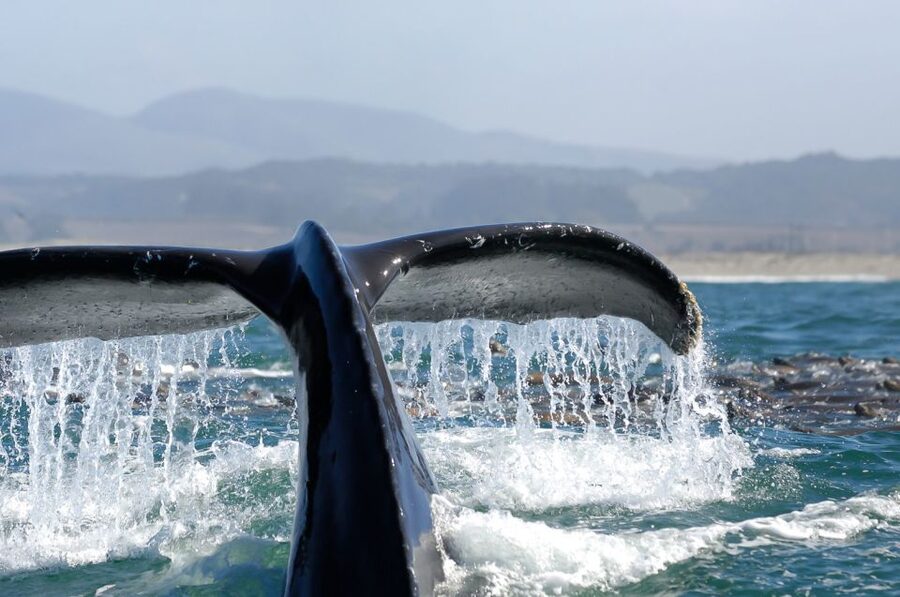
The ticket costs $54 per person. For a 210-minute cruise, that is a fair price if you value the full outing rather than treating it as a guaranteed whale photograph.
Wildlife is unpredictable. Some trips produce several gray whales, a humpback, and dolphins. Other trips find dolphins and sea lions but no whale. That uncertainty is built into any responsible wildlife experience. Flagship softens the risk by offering a free return trip when no whale is seen, with the return ticket described as having no expiration.
That guarantee is especially valuable if you are staying in San Diego for several days or expect to return to the area. It is less useful if this is a one-day visit and you have no chance to come back. The free return trip does not change the first day’s weather or your time, but it does keep a blank wildlife log from becoming a total loss.
Children aged 3 and under ride free, which helps families manage the cost. Still, remember that three and a half hours on a moving boat is a long stretch for a very young child. Pack warm clothing and plan for the possibility of waiting between sightings.
Getting the best views and photographs
Bring binoculars if you have them. They are especially useful when whales remain several hundred yards away or when a distant back or blow is the only sign of activity.
For photographs, keep your camera ready but do not spend the whole trip staring at a screen. Whales often surface without warning, and the best moment may last only seconds. A wide view can be more useful than a powerful zoom because animals may appear beside the boat, then vanish beyond the bow.
Move around when it is safe. The main deck and upper sundeck offer different sightlines, and the crew may direct you toward activity on one side. Do not expect every passenger to have a perfect front-row position if the yacht is full. A smaller crowd makes it easier to move around, while a busy departure may require patience and cooperation.
Use the quiet moments to scan the water for birds, fins, blows, and unusual movement. A guide may spot an animal before you do, so listen for directions instead of focusing only on the horizon ahead.
Who will enjoy this cruise most
I would recommend this outing to families with older children, couples, photographers, and anyone who likes being on the water even when wildlife takes time to appear. It also suits people who want a natural-history experience rather than a simple harbor ride.
The tour is a particularly good fit if you can return on another day. That makes the whale guarantee much more useful and lets you treat the first trip as part of a flexible search instead of a one-shot gamble.
You should think twice if you are highly sensitive to motion, need full step-free access, or have a tight schedule. The boat may travel 9 to 12 miles offshore during part of the migration, and the 210-minute duration does not include the stress of rushing to or from another appointment.
Practical details worth remembering
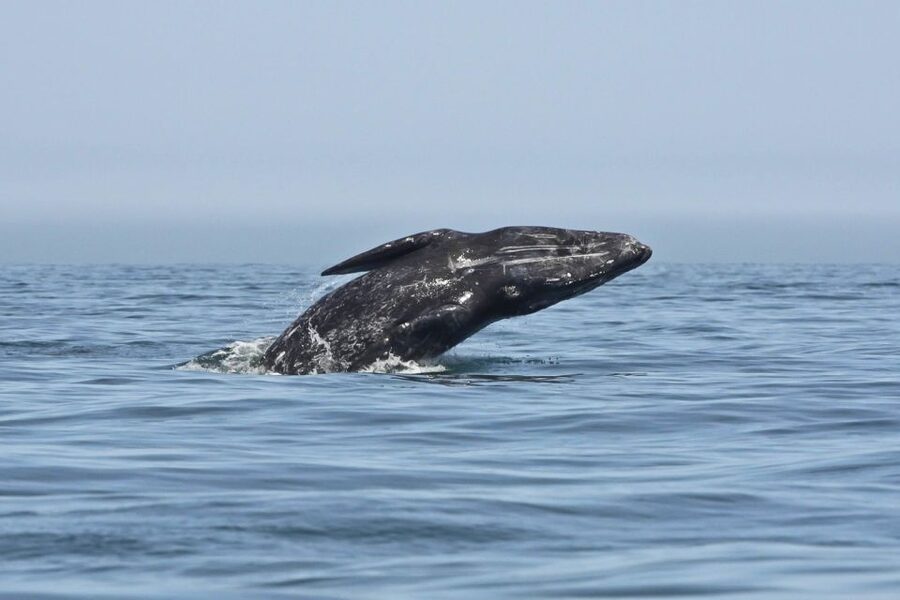
The tour is led in English. You receive the cruise, live commentary, and WiFi, but hotel transportation, food, and drinks are not included. Check availability for departure times, since the schedule can vary.
Cancellation is free up to 24 hours before departure, and you can reserve now and pay later. Smoking and pets are not allowed, although assistance dogs are permitted.
Wear warm clothing, a sun hat, sunscreen, and comfortable clothing for changing conditions. Bring your camera and binoculars. A jacket and beanie are sensible even on a clear winter morning.
Should you book Flagship’s whale watch?
Book it if you want a well-priced three-and-a-half-hour ocean outing with strong guiding, broad views, and a fair answer to the risk of not seeing a whale. The most reliable pleasures are the bay scenery, open-water air, dolphins, sea lions, and the crew’s explanations.
Skip it if you need a calm, tightly timed activity or cannot handle choppy water. For everyone else, the $54 price is reasonable, especially with the free return trip if the whales stay out of sight. Go prepared for cold air, bring motion-sickness medication if needed, and let the dolphins and sea lions count as part of the main event rather than consolation prizes.
FAQ
How long is the whale-watching tour?
The cruise lasts 210 minutes, or about three and a half hours.
Where do I check in?
Check in at the Flagship ticket booth before departure.
What animals might I see?
Possible sightings include gray whales, humpback whales, dolphins, sea lions, seabirds, and other marine wildlife. Sea otters have also been seen on a past trip.
Are whales guaranteed?
If you do not see a whale, Flagship provides a free return trip on a future whale-watching cruise.
How far offshore does the boat travel?
Early in the season, whales may be about 3 to 5 miles offshore. Northbound whales can be as far as 9 to 12 miles from the coast.
Is the boat wheelchair accessible?
The indoor main deck is wheelchair accessible. Restrooms are downstairs, the open exterior area is upstairs, and there are no elevators.
Is food included?
No. Food and drinks are not included, though snacks and beverages may be available for purchase onboard.
What should I wear?
Bring warm clothing, thermal layers, a sun hat, and sunscreen. The boat can feel cold on the bay and in open water.
Can children ride for free?
Children aged 3 and under ride for free.
What if I get seasick?
The tour is not suitable for people prone to seasickness. If you choose to go, consider taking motion-sickness medication in advance and bring warm layers.
Just added around San Diego
- An Art Walk Through the Barrio★ 5.0 · 11 reviews
- All-Inclusive Private Wine Tour in Baja★ 5.0 · 3 reviews
- All Day San Diego Scenic Tour★ 3.0 · 5 reviews
- 4 Hour Private Sail for up to 6 people★ 5.0 · 12 reviews
- Private Vacation Photography Session with Local Photographer in San Diego★ 5.0 · 4 reviews
- Two Hour Kayak and Snorkel Tour for Two in La Jolla★ 4.5 · 34 reviews
- Ultimate La Jolla Self-Guided Driving & Walking Audio Tour Bundle★ 3.5 · 9 reviews
- 2Hr GPS Self Guided Scooter Tour: Downtown & Balboa Park★ 4.0 · 6 reviews
San Diego Whale Watching, compared.
City Cruises San Diego: Whale and Dolphin Watching Adventure
Read our review →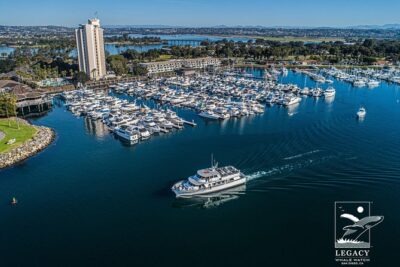
Browse the lists this tour appears in