Reviewed · WORKSHOPS
Intro to Wild Clay/Earthenware Pottery Workshop
The most unusual part of this three-hour workshop is that your pottery begins with the ground beneath you. At Lake Cuyamaca, Becky Sangha explains how to identify clay in the wild, process harvested earth, and shape it into a small earthenware vessel.
I like the hands-on making and the connection to Julian’s natural setting. I also like that you take home more than a finished pot: you receive instructions for firing it in an open fire on your own. The main consideration is that this is an outdoor activity requiring decent weather and a moderate level of physical fitness.
Key points to know
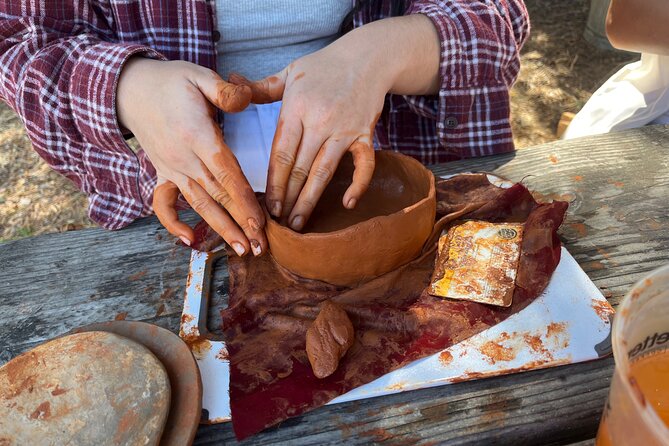
- Local clay takes center stage: You learn how clay can be found and processed in the wild rather than starting with a prepared lump from a studio.
- Becky Sangha leads the workshop: Her teaching includes local history, personal stories, and practical pottery guidance.
- You make a small vessel: Your project can become a pot or mug, but the workshop is not presented as a full ceramics course.
- The setting is Lake Cuyamaca: The meeting point is The Pub at Lake Cuyamaca, near Julian, and the activity returns there.
- Your pot needs a later firing: You leave with instructions for firing it in an open fire, so the experience continues after the class.
- Private groups keep it personal: Only your own group participates, which suits families, couples, and friends who prefer a relaxed pace.
Why this pottery class feels different

Many pottery classes begin with processed clay, a worktable, and a set of studio tools. This one starts earlier in the story. You learn how natural clay is identified and prepared, then use that knowledge to make a small earthenware object.
That change in starting point gives the workshop its character. You are not simply decorating a ready-made piece. You are learning how raw material becomes something useful, even if the process remains introductory.
I like this approach because it gives the finished pot a sense of place. The vessel is tied to the soil around Lake Cuyamaca and to the simple idea of making something from available materials. You also gain a better sense of how much work sits behind traditional pottery.
The class lasts about three hours, long enough for explanation, conversation, and making without taking up a full day. You should still expect the pace to feel unhurried rather than rushed. The experience is designed around learning and creating, not producing a flawless ceramic piece.
That distinction matters. If you want a polished studio pot or a technical course covering wheel throwing, glazing, and kiln work, this is not the right match. If you want to understand natural clay and enjoy shaping a modest handmade object, the format makes good sense.
A few more San Diego half-days worth weighing up
- Onewheel Electric Hoverboard Lesson and Bay Ride
★ 5.0 · 98 reviews - La Jolla: 1.5-Hour Surfing Lesson
★ 4.9 · 41 reviews - Stand up Paddle Board Lesson on The San Diego Bay
★ 5.0 · 25 reviews
Meeting Becky at Lake Cuyamaca
The meeting point is The Pub at Lake Cuyamaca, at 15027 CA-79, Julian, California 92036. The workshop takes place at Lake Cuyamaca, in a remote part of Julian, and finishes back at the same meeting point.
That arrangement keeps the day simple. You have one clear place to start and no separate end-point transportation to arrange. Since the activity is private, only your group takes part. This can make a real difference if you prefer asking questions freely or want to keep the day focused on your own pace.
Becky Sangha is the instructor and host. Her approach includes local history and the story behind the natural materials. The experience is not limited to instructions about pinching and shaping clay. You also hear about how the local soil and clay came to be, along with Becky’s own inspiration for working with these materials.
I would allow a little extra time to reach the meeting point and get settled, even though the supplied details do not specify a required arrival time. The location is in the Julian area rather than central San Diego, so check your route carefully before booking. The price and meeting point are clear, but no transportation from San Diego is included in the information provided.
Reading the soil around Lake Cuyamaca
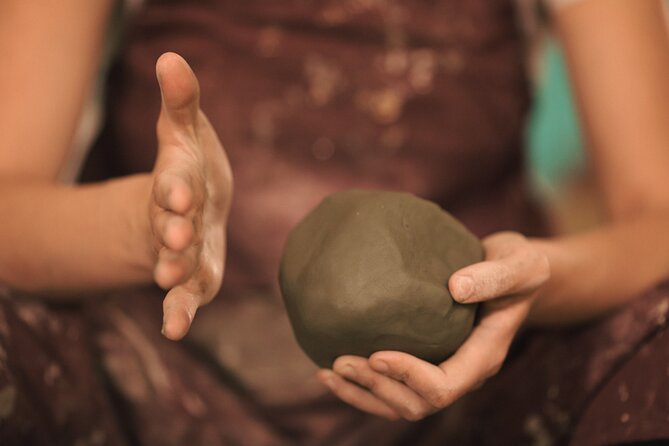
The first part of the workshop centers on identifying clay in the wild. This is the piece that gives the class its strongest educational value. You are learning to look at natural earth as a possible craft material, not just as dirt beneath your feet.
The class then covers how harvested clay can be processed. That step helps you understand the work needed before clay is ready to shape. You might find this especially interesting if you enjoy natural materials, traditional crafts, local geology, or activities that connect making with the outdoors.
The information provided does not promise a long hike, a particular clay deposit, or a specific amount of walking. You should avoid assuming this is a strenuous backcountry outing, but you should be ready for an outdoor setting and a moderate physical fitness level.
The setting also affects the feel of the class. Working in a remote part of Julian gives the workshop a quieter tone than a conventional indoor studio. At the same time, an outdoor class brings practical limits. Weather can affect the schedule, and the ground or surroundings may not offer the same comfort as a dedicated pottery room.
That trade-off is central to the experience. You get a stronger connection to the place and materials, but less control over conditions. I see that as a fair exchange for anyone who values a local, natural approach to craft.
Shaping a small earthenware vessel
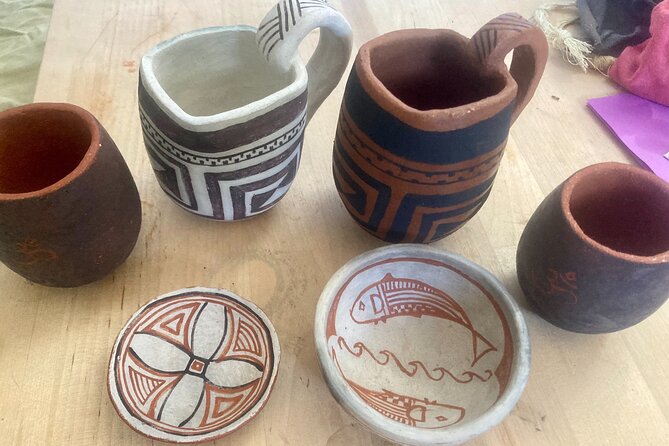
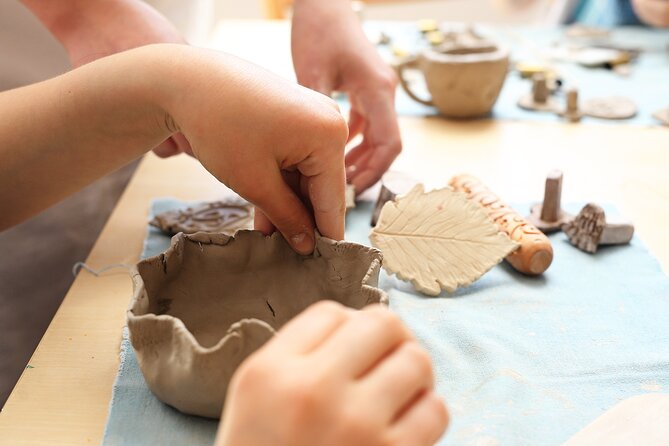
After learning about clay and its preparation, you make and design a small earthenware vessel. The project may become a pot or mug, as the class examples include both forms.
The scale is important. You are not signing up to produce a large sculpture or a full dinner set. A small vessel is a sensible project for a three-hour introduction because it gives you time to learn the basic process without turning the session into a production line.
You should approach the making stage with curiosity rather than perfectionism. Hand-shaped earthenware often carries the marks of its maker. Uneven walls or small differences in shape are part of the point, especially in a class focused on natural materials and personal craft.
Becky’s teaching style appears to favor conversation and practical guidance. The class is described as educational and entertaining, with time to chat while making the pottery. That makes it a good fit for people who like an instructor who shares context rather than giving only quick technical commands.
The private format adds another benefit. If you have a question about the clay, the local area, or your vessel’s shape, you can ask without competing with a large class. Families and small groups can also treat the workshop as a shared activity rather than splitting up around a busy studio.
Still, remember that the class is offered in English. If everyone in your group is comfortable learning and discussing pottery in English, that should be straightforward. The experience does not list translations or multilingual instruction.
Same city, a completely different sort of afternoon:
- San Diego Zoo 1-Day Pass: Any Day Ticket
★ 4.5 · 4,248 reviews - San Diego Harbor Cruise
★ 4.5 · 2,980 reviews - San Diego Hop On Hop Off Trolley Tour
★ 4.5 · 2,523 reviews - San Diego Whale Watching Cruise
★ 5.0 · 2,317 reviews
What happens after you leave with the pot
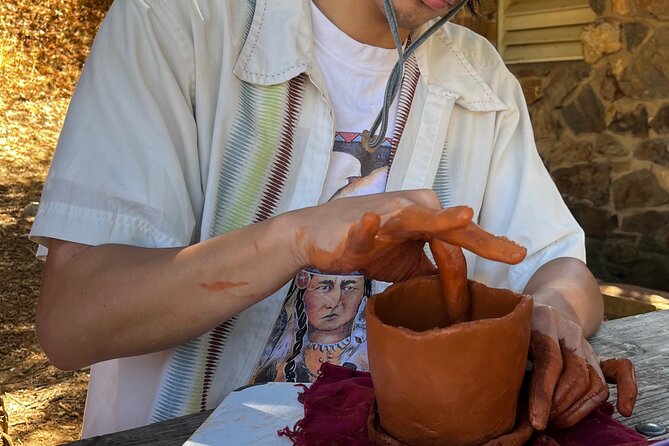
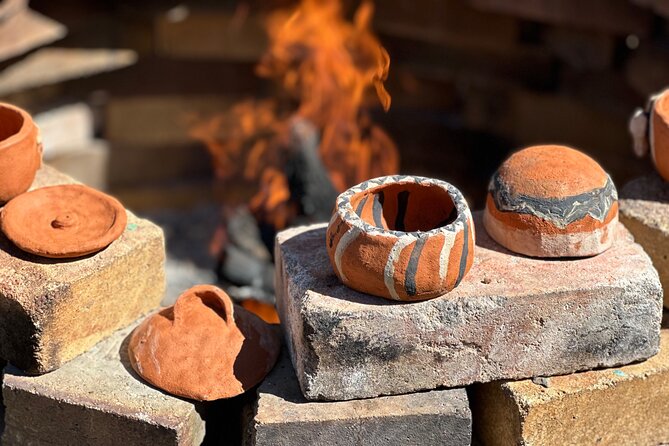
Your vessel is not necessarily the final product when the three hours end. You go home with instructions for firing it in an open fire on your own.
This is both the most distinctive feature and the main extra responsibility. A studio class often handles firing for you. Here, you receive guidance so you can continue the process yourself. That gives the workshop a longer life, but it also means your pot will need attention after the class.
The provided details do not specify the exact firing method, fuel, timing, or materials needed. I would read Becky’s instructions carefully and make sure you understand them before attempting the firing. Do not treat the handout as a decorative souvenir. It is the bridge between the class and the finished earthenware.
The open-fire element also helps explain why the workshop focuses on earthenware rather than promising a kiln-fired ceramic finish. You learn a traditional, accessible approach, but results can depend on how the firing is carried out.
For some people, this is the best part. The class does not end when you walk away from Lake Cuyamaca. You have another hands-on task waiting at home and a chance to see how your handmade vessel develops.
For others, the extra step may be inconvenient. If you want to leave with a fully fired object ready for use, ask yourself if you are willing to complete the process later. The class offers instructions, not a stated promise that the provider will fire the vessel for you.
The value of a $72 private workshop
At $72 per person, this is priced above a casual drop-in craft activity, but the comparison is not quite fair. You are paying for about three hours, a private group format, instruction from Becky Sangha, an outdoor setting, and a lesson that includes identifying and processing natural clay.
The price makes the most sense for people who value the full experience rather than only the object. If you judged the cost by the size of the pot alone, it might feel high. If you count the local material, the teaching, the setting, the time with your own group, and the follow-up firing instructions, the value becomes clearer.
A private activity is especially useful for a family or group of friends. You are not placed with strangers, and the class can feel more like a shared day out than a standard public lesson. The format may also suit a couple looking for something more memorable than a typical sightseeing stop.
The price does not include stated transportation from San Diego, and the listed meeting point is in Julian. Plan for the drive separately. If you are already visiting Julian or the Lake Cuyamaca area, the workshop fits more naturally into your day than it would as a quick side trip from San Diego.
The experience is booked, on average, about 20 days ahead. That suggests you should not leave it until the last moment if your schedule is fixed. Since only your group participates, open dates may be more limited than with a large class.
Who will enjoy this most
I would choose this workshop for people who enjoy making things with their hands and want a stronger connection to the place they are visiting. It suits couples, families, and small groups who prefer a private activity with room for conversation.
It is also a good pick if you are interested in:
- Natural materials and traditional craft
- Local history connected to Julian
- Earthenware and handmade objects
- Relaxed outdoor activities
- Learning a process you can continue at home
- Small-group experiences rather than crowded classes
The class can work well for beginners because the project is small and the focus is introductory. You do not need to arrive with pottery experience based on the information provided.
I would be more cautious if you want a polished, professional-looking result or a technical course in wheel throwing and kiln ceramics. The class centers on wild clay, hand-shaped earthenware, and open-fire instructions. That is its appeal, but it also sets limits.
A moderate level of physical fitness is recommended. The details do not explain exactly what physical demands are involved, so you should be comfortable taking part in an outdoor activity at Lake Cuyamaca. Service animals are allowed.
Weather, timing, and cancellation details
Good weather is required for this experience. If poor weather causes a cancellation, you will be offered another date or a full refund. The activity also requires a minimum number of participants, and if that minimum is not met, you will be offered a different date or experience, or a full refund.
You can cancel for a full refund if you do so at least 24 hours before the local start time. Cancellations made less than 24 hours ahead are not refunded, and changes inside that window are not accepted.
These rules are worth keeping in mind because the workshop takes place outdoors and depends on conditions beyond the instructor’s control. If your Julian plans are tightly packed, leave some flexibility around the class rather than scheduling an important connection immediately afterward.
The booking includes a mobile ticket, and the activity is offered in English. Confirmation is provided at booking. Those details make the practical side fairly simple, but you still need to monitor the weather and keep the meeting point handy.
What I would ask before booking
The basic information is clear, but a few useful details are not specified. I would confirm what clothing and footwear are best for the outdoor setting, how much walking is involved, and what materials you need for the later open-fire firing.
I would also ask how the finished vessel should be handled before firing and whether the instructions cover safety requirements. The experience gives you firing directions, but the exact process is not described in the available details.
If you are arranging the workshop for children, ask Becky about the suitable age range and how much adult help is needed. The experience is described as easy and fun for everyone in one account, but no formal age guidance is provided.
You may also want to clarify how much of the vessel design is guided and how much is free choice. Some people prefer a clear demonstration, while others want room to experiment. Knowing the balance can help you decide if the class matches your style.
These are not warning signs. They are practical questions that matter for an outdoor craft class, especially one that asks you to finish the firing at home.
Should you book this Lake Cuyamaca pottery workshop?
Book it if you want a small, personal craft experience tied to Julian’s natural surroundings. The combination of wild clay, local stories, a private group, and a handmade vessel gives you something more memorable than a standard souvenir stop.
I especially like that Becky Sangha brings local history and personal perspective into the teaching. The strongest part is not simply shaping a pot. It is learning how earth becomes clay, how clay becomes a vessel, and how the firing process continues after the class.
Skip it if you need an indoor activity with guaranteed weather, a fully finished pot at the end, or advanced ceramics instruction. You should also think carefully about the $72 price if you are mainly interested in buying a ready-made object.
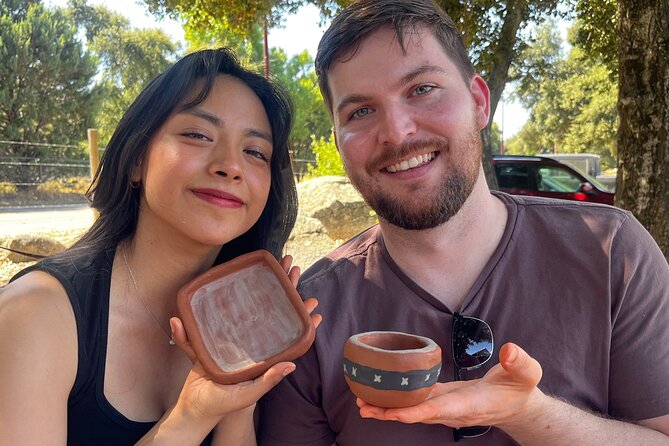
For the right person, this is a relaxed and thoughtful three-hour outing. You leave with a small piece of your own work, a better understanding of local clay, and instructions that let you carry the experience home.
FAQ
How long does the pottery workshop last?
The workshop lasts approximately three hours.
Where does the activity meet?
You meet at The Pub at Lake Cuyamaca, 15027 CA-79, Julian, California 92036, USA.
Where does the activity finish?
The experience ends back at the meeting point.
What will I make during the workshop?
You will make and design a small earthenware pottery vessel. The project may take the form of a pot or mug.
Will I learn about natural clay?
Yes. The workshop covers how to identify clay in the wild and how harvested clay can be processed.
Can I fire the pot after the workshop?
Yes. You are sent home with instructions for firing your pot in an open fire on your own.
What is the cancellation policy?
You can cancel at least 24 hours before the local start time for a full refund. Cancellations made less than 24 hours before the start time are not refunded. If poor weather or an insufficient minimum number of participants causes the activity to be canceled, you will be offered another date or experience, or a full refund.
Just added around San Diego
- eFoil Experience & Video Package. 2-Hours LIFT5 / LIFTX Session★ 5.0 · 4 reviews
- 1Hr GPS Self Guided Scooter Tour: Harbor/Gaslamp Quarter★ 4.0 · 10 reviews
- Urban Adventure Quest: 3-Hour Interactive Tour in San Diego★ 3.4 · 7 reviews
- Wine Tasting Sidecar: 2.5-Hour Private Tour in San Diego★ 4.5 · 27 reviews
- Valle de Guadalupe Wine Tour★ 5.0 · 35 reviews
- Haunted Whaley House Guided Night Tour★ 4.5 · 25 reviews
- Haunted Whaley House Admission★ 4.0 · 14 reviews
- 2-Hour Downtown and Balboa Tour in GPS Guided Polaris GoCar★ 4.5 · 18 reviews
Workshops, compared.

Onewheel Electric Hoverboard Lesson and Bay Ride
Read our review →

Stand up Paddle Board Lesson on The San Diego Bay
Read our review →